


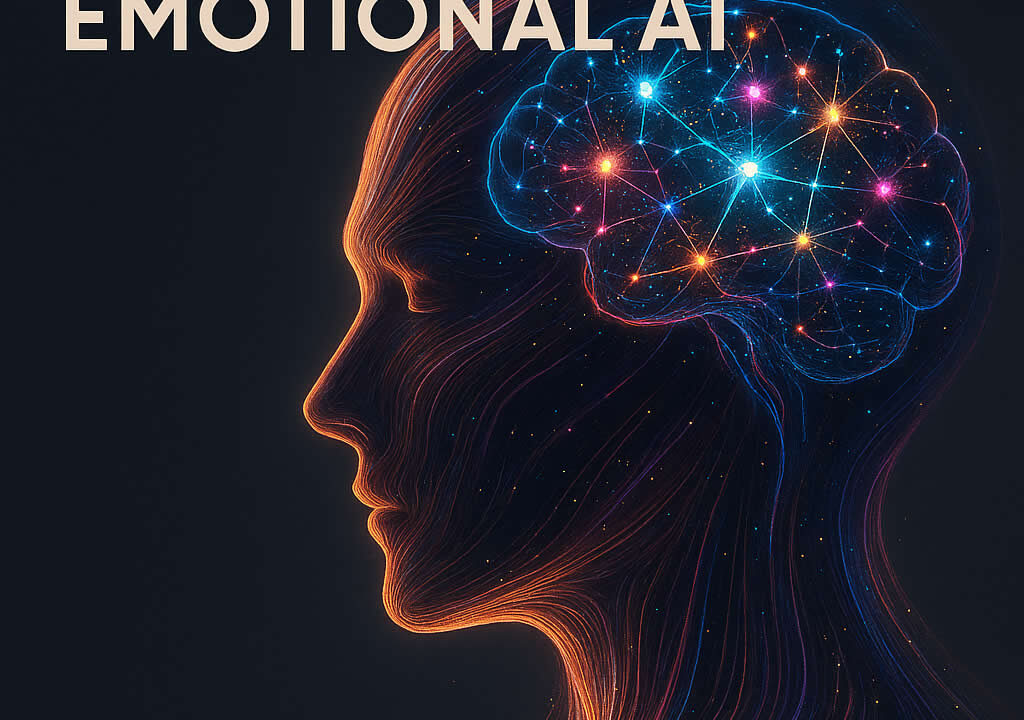
Artificial Intelligence (AI) is entering a new era — one that goes beyond algorithms, logic, and data. It’s now learning to understand human emotion. This emerging field, known as Emotional AI or Affective Computing, represents a bold step toward creating technology that can not only think and learn but also sense and respond to how we feel.
Emotional AI allows machines to detect, interpret, and react to human emotions using advanced sensors, natural language processing, and deep learning models. By analyzing tone of voice, facial expressions, heart rate, or even subtle changes in text and gestures, these systems are learning to interpret the emotional states behind human behavior. This development is redefining the relationship between humans and technology — making interactions more personal, empathetic, and emotionally intelligent.
Bridging the Gap Between Empathy and Intelligence
For decades, the focus of AI has been on logic and problem-solving — creating systems that can analyze data, make predictions, and automate decision-making. Emotional AI shifts that paradigm. Instead of purely cognitive intelligence, it integrates emotional intelligence (EQ) into machine learning, merging psychology and computer science in a profound way.
This fusion helps bridge the gap between human empathy and machine precision. It enables technology not just to process what people say, but how they feel when they say it. For example, an emotionally aware chatbot can detect frustration in a customer’s tone and adjust its response to sound more compassionate. Similarly, AI-driven tutoring systems can sense when a student is confused or disengaged and modify lessons accordingly to sustain attention and motivation.
In essence, Emotional AI transforms machines from passive tools into interactive companions that understand context, mood, and emotional nuance — a crucial step in making digital experiences more human-centered.
Real-World Applications Across Industries
Emotional AI is not a futuristic concept; it’s already transforming industries around the globe.
In customer experience, companies use affective computing to personalize engagement and improve satisfaction. AI systems can analyze voice calls or chat messages to detect irritation, joy, or confusion — allowing human agents to respond faster and more appropriately.
In healthcare, Emotional AI plays an even more critical role. It can assist in detecting signs of depression, anxiety, or cognitive decline by studying speech patterns or facial micro-expressions. Some AI-based therapy tools are capable of offering real-time emotional support or alerting professionals when patients exhibit distress.
In automotive technology, vehicles equipped with emotional sensors can monitor driver stress levels, fatigue, or distraction, automatically adjusting lighting, temperature, or even issuing safety alerts. Similarly, in education, emotionally aware virtual tutors enhance learning outcomes by adapting to a student’s emotional state.
The entertainment industry has also embraced Emotional AI. Music and streaming platforms analyze users’ moods to recommend playlists or shows, while virtual influencers and AI-generated characters are now capable of displaying realistic emotion, making digital storytelling more engaging and lifelike.
Ethical Implications: When AI Knows How You Feel
Despite its promise, Emotional AI presents significant ethical and privacy challenges. The idea that machines can read and interpret our feelings raises questions about consent, data protection, and emotional manipulation.
Emotions are deeply personal and context-dependent — and their misinterpretation by AI systems could have real-world consequences. If a facial recognition system incorrectly identifies someone as “angry” or “suspicious,” it might lead to bias in hiring, law enforcement, or customer service.
Furthermore, emotional data is among the most intimate forms of personal information. When AI systems track our facial movements, tone, or biometric signals, they gain access to insights that go far beyond traditional data — they tap into our psychology. Who owns that data? How is it stored, and who decides how it’s used?
To address these concerns, experts advocate for transparent emotional data policies, ethical AI standards, and strict regulatory frameworks. Companies deploying Emotional AI must ensure that empathy is used to enhance experience — not exploit vulnerability.
The Future: Toward Digital Empathy
The evolution of Emotional AI signals a future where technology may no longer feel cold or mechanical but genuinely empathetic. Imagine virtual companions capable of offering emotional support to the elderly, AI-driven mentors who understand a student’s struggles, or digital assistants that can recognize when you’re overwhelmed and offer reassurance instead of instructions.
This doesn’t mean machines will “feel” emotions as humans do, but they’ll increasingly learn to mirror emotional understanding — creating smoother, more meaningful interactions. Emotional AI represents a leap from artificial intelligence to augmented empathy — a partnership between human emotion and digital awareness.
In the coming years, Emotional AI will likely integrate into daily life much like voice recognition or predictive text. The challenge will be ensuring that these systems remain transparent, ethical, and human-centered.
Conclusion
The rise of Emotional AI marks a defining shift in the digital era — from computing power to emotional intelligence. It’s changing not only how machines work, but how we relate to them. As algorithms grow capable of understanding human feelings, the boundary between empathy and automation will blur.
Whether this leads to deeper connection or potential manipulation depends on how we build and regulate these systems. The future of Emotional AI is not about machines replacing emotion — it’s about teaching them to respect and respond to it. And in doing so, we may find that the truest test of intelligence, artificial or otherwise, is the ability to understand what it means to feel.


No Comments