


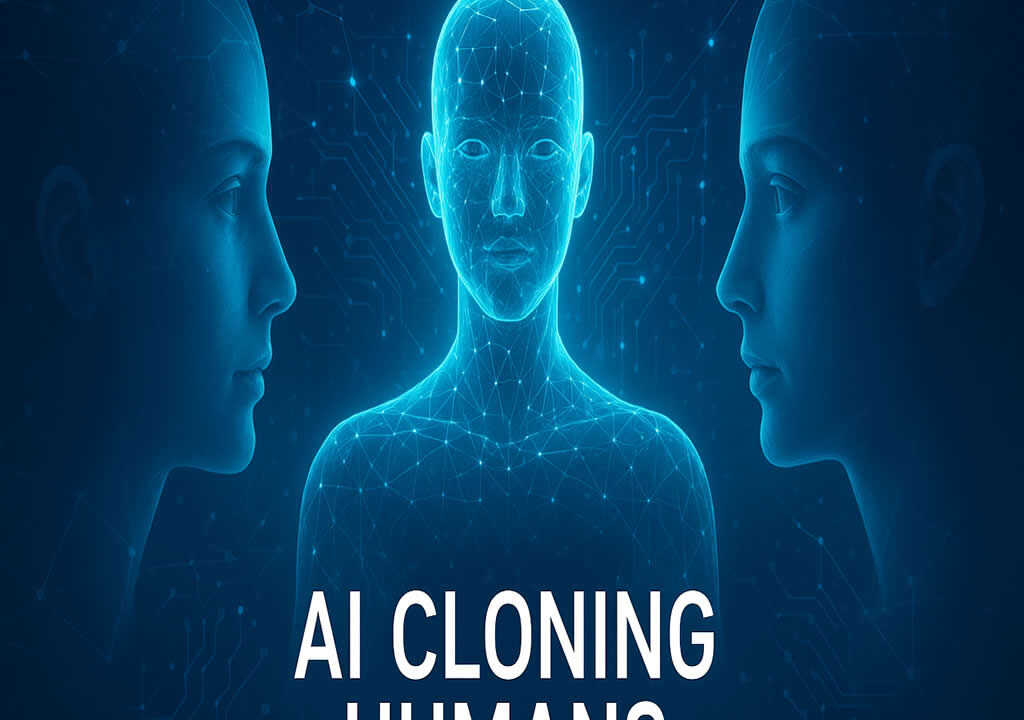
The concept of AI cloning humans—once confined to science fiction—is swiftly transitioning into reality through advances in artificial intelligence, machine learning, and digital simulation. In essence, AI cloning refers not to biological replication, but to the creation of digital human counterparts—hyper-realistic virtual models that mirror an individual’s voice, appearance, behavior, and even thought patterns.
At the heart of this innovation lies deep learning and neural network modeling, capable of analyzing massive datasets about human speech, facial movements, and emotional responses. These models enable the generation of digital avatars that can interact, learn, and evolve—simulating not just how we look, but how we think and communicate. From entertainment and education to virtual companionship and healthcare, the implications are profound.
Companies are already exploring AI-driven “digital twins” that can represent individuals in virtual environments, assist customers with personalized experiences, or even continue a person’s legacy posthumously. In business, such clones can serve as brand representatives, influencers, or virtual assistants that embody a company’s ethos or a founder’s personality.
However, the rapid advancement of this technology introduces a critical ethical frontier. Questions surrounding consent, identity ownership, data privacy, and psychological impact are at the forefront of debate. Who controls an AI clone? Can it act independently? Should there be limits on how realistically a digital human can imitate someone without explicit permission?
These challenges call for clear AI governance frameworks, transparency standards, and digital identity protection laws that balance innovation with moral responsibility. While AI cloning promises efficiency and engagement, it also demands a new era of digital accountability—where authenticity, trust, and human dignity remain central.
Ultimately, AI cloning represents more than a technological milestone; it’s a reflection of humanity’s quest to understand and replicate itself. As algorithms become capable of mimicking human consciousness, society must decide whether these digital echoes are tools of empowerment—or mere illusions of immortality.


No Comments